A Legacy of Healing: Black Herbalism in Virginia
There is a powerful magic that lives at the intersection of seed and soil, of root and remedy. It’s a wisdom whispered by the wind through the pines of the Appalachian foothills, carried in the rich, dark earth of the Virginia Piedmont, and sung in the brackish tides of the Chesapeake Bay. This is the magic of our ancestors—a living, breathing tradition of plant medicine that has sustained and healed Black Americans for generations.
Welcome back to Rising Rooted Yoga & Herbal Apothecary. I’m Conya Gilmore, and I’m so glad you’re here.
Today, we’re diving deep into that legacy. We’ll talk about the practical magic of growing, harvesting, and drying your own herbs. We’ll honor the rich and resilient history of Black herbalism in Virginia, and I’ll share a few treasured recipes to get you started on your own journey. This is Herbal Wisdom and Garden Magic.
🌱 The Foundation: Growing Your Own Apothecary
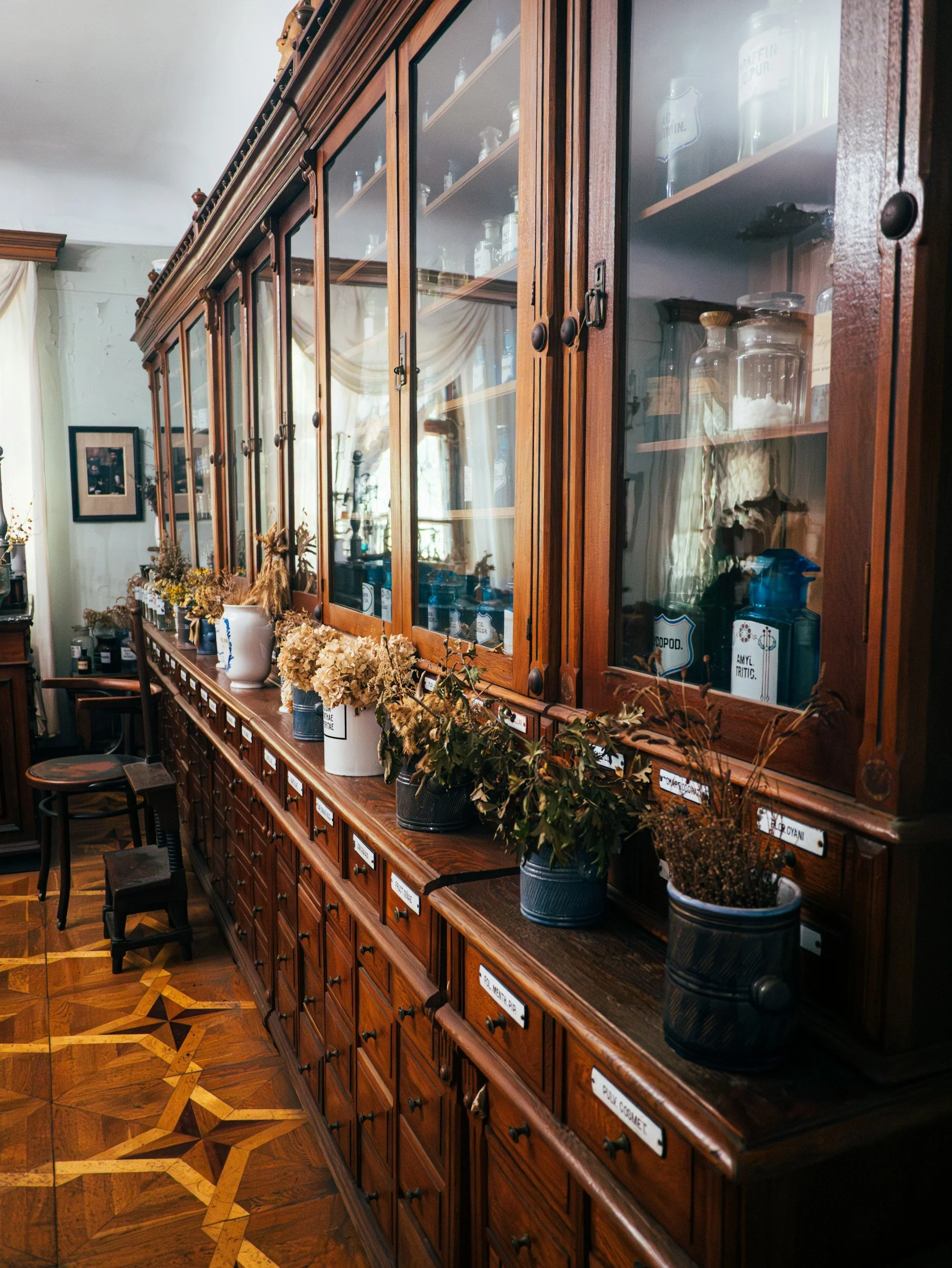
The most profound relationship you can have with a plant is the one you grow yourself. Gardening is not just about producing food or medicine; it’s a meditation, a form of therapy, and a radical act of self-sufficiency.
Getting Started: You don’t need acres of land to begin. A few pots on a sunny balcony or a small raised bed in your backyard is plenty. Start with a few reliable, easy-to-grow medicinal herbs that are both forgiving and incredibly useful. Calendula, Peppermint, Lemon Balm, and Echinacea are wonderful choices for the beginner herbalist.
A Few Gardening Basics:
Sunlight: Most medicinal herbs thrive in full sun, meaning at least 6 hours of direct sunlight a day.
Soil: Herbs generally prefer well-draining soil. If you have heavy clay, consider amending it with compost or planting in raised beds.
Water: It’s better to water deeply and less frequently than to give your plants a little sprinkle every day. This encourages deep root growth.
Connection: Spend time with your plants. Observe them. Talk to them. This isn’t just whimsy—it’s how you learn their rhythms and needs.
✂️ The Art of the Harvest: Knowing When to Gather
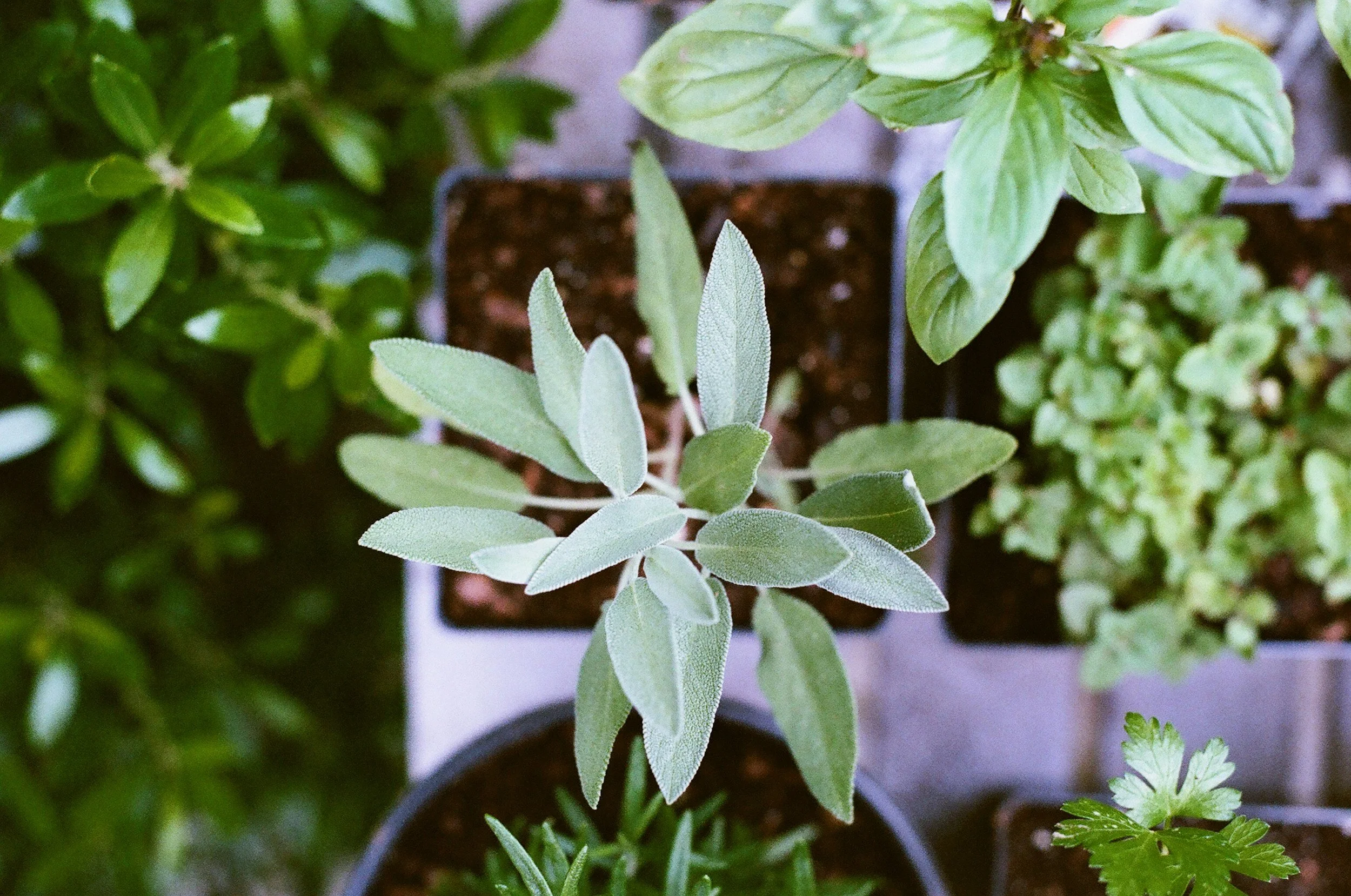
Harvesting is a sacred act. It’s the moment you receive the gift of the plant’s labor. When you harvest at the right time, you capture the peak of the plant’s medicinal potency and flavor.
The Golden Rule: The best time to harvest most herbs is in the morning, after the dew has dried but before the full heat of the day sets in. This is when the plant’s essential oils are at their most concentrated.
Here are a few more tips to guide you:
Leaves: Harvest leafy herbs like Mint, Lemon Balm, and Basil just before they begin to flower. This is when their flavor and medicinal compounds are strongest. Use sharp clippers or scissors to cut the stems, rather than pulling off individual leaves.
Flowers: Harvest flowers like Calendula and Chamomile just as they are fully open. Cut the stem just below the bloom.
Roots: Roots like Echinacea and Dandelion are best harvested in the fall, after the plant has sent its energy back down into the earth.
💨 The Preservation: Drying Your Herbs with Care
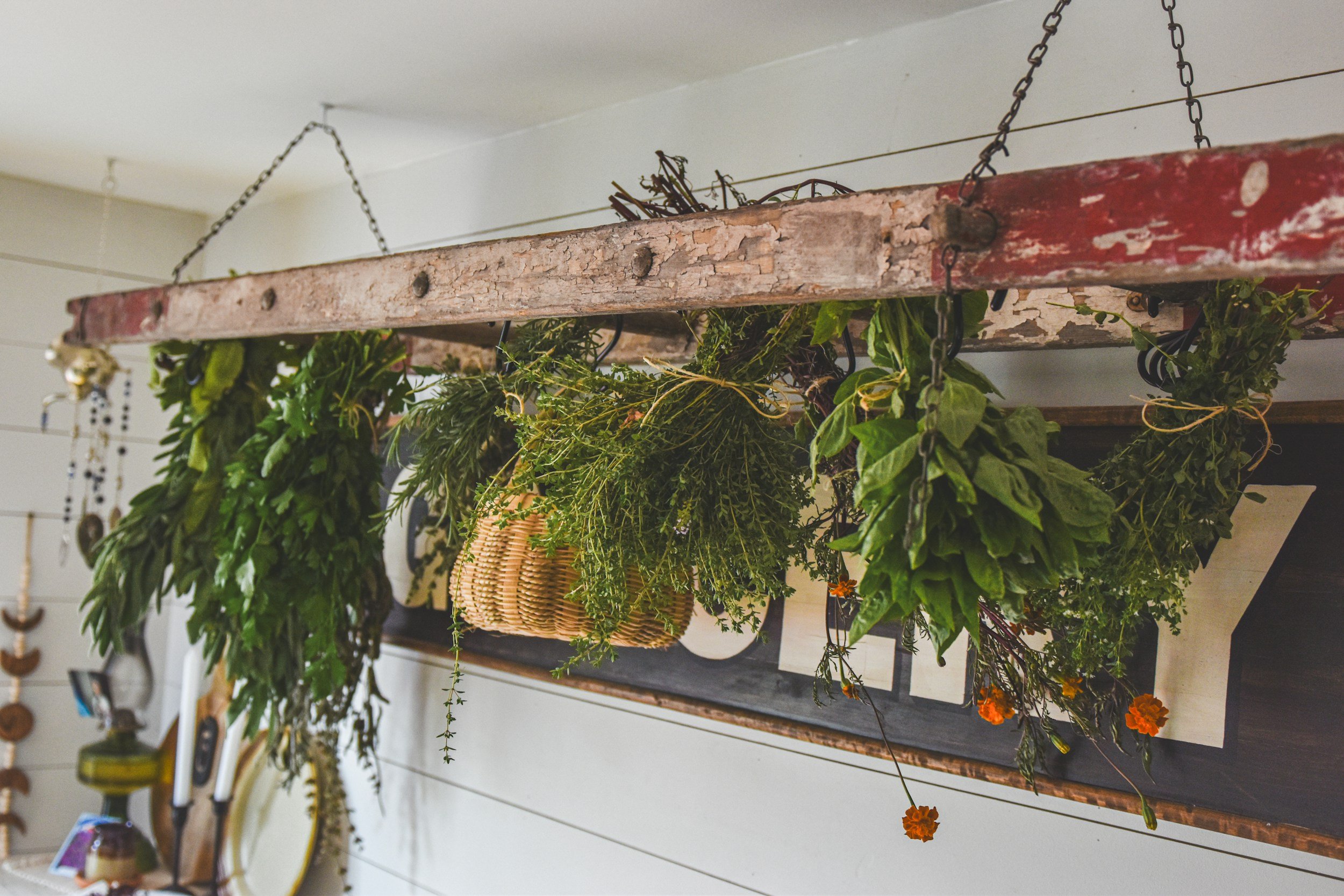
Drying is one of the oldest and most effective ways to preserve your harvest. It’s a simple process, but doing it correctly ensures your herbs retain their color, flavor, and medicinal power.
The Traditional Method: Air Drying
Air drying works best for low-moisture herbs like Rosemary, Oregano, Thyme, and Lavender.
Bundle Them Up: Gather small bunches of stems and tie them together with string or a rubber band.
Hang Them Upside Down: Hang the bundles upside down in a warm, dark, and well-ventilated space. A closet, attic, or a corner of your kitchen works well. Keep them out of direct sunlight, as it can bleach the herbs and cause them to lose their potency.
Patience: It usually takes about a week for the herbs to dry completely. They are ready when the leaves are crispy and crumble easily, and the stems snap rather than bend.
The Quick Method: Oven or Dehydrator
For high-moisture herbs like Basil, Mint, and Lemon Balm, you might want to use a quicker method.
Dehydrator: This is the easiest and most consistent method. Follow your dehydrator’s instructions for herbs.
Oven: Spread the clean, dry leaves on a baking sheet and place them in your oven at its lowest setting (ideally around 150°F/65°C). Keep the oven door slightly ajar to allow moisture to escape. Check frequently, as they can burn easily.
Storing Your Treasures: Once your herbs are completely dry, store them in airtight glass jars away from light and heat. Properly stored, most dried herbs will retain their potency for up to a year.
🌿 A Legacy of Healing: Black Herbalism in Virginia

The practices I've just described are threads in a tapestry woven over millennia—by people who knew these lands long before European ships appeared on the horizon.
Long before the transatlantic slave trade, West and Central Africans were skilled mariners, traders, and explorers. Historical and archaeological evidence suggests that African peoples traveled to the Americas centuries before Columbus, establishing connections and exchanges with Indigenous nations. They brought with them not only their languages and cultures but also their profound knowledge of plant medicine—a tradition that would find new expression in the soils of a continent they had already come to know.
And when European colonization began, the story became even more complex. European colonizers did not distinguish between the Indigenous peoples they encountered and the Africans they enslaved. Many Indigenous tribes with dark skin—including peoples from the Caribbean, Mexico, and what is now the southern United States—were captured and enslaved alongside Africans. These communities, too, carried generations of botanical wisdom, knowledge of the land's healing plants that stretched back thousands of years.
So the healing traditions of Virginia are not simply the story of adaptation. They are the story of convergence—of ancient African herbal knowledge meeting the ancient botanical wisdom of Indigenous peoples. These traditions were shared, exchanged, and blended in the crucible of survival, resistance, and resilience.
In the Appalachian Mountains, this fusion gave rise to what some now call "Afrolachian" herbalism. Enslaved and free Black people, along with Indigenous survivors of colonization, lived in the isolated coves and hollows, relying on the forest for medicine. They learned to identify plants like Black Cherry and Calamus, whose smoke was used to treat breathing problems. These rootworkers, charm doctors, and herbalists were the primary source of healthcare for their communities—especially along the routes of the Underground Railroad, where the knowledge of healing plants was a form of resistance and liberation.
Further east, in the Virginia Piedmont, another alchemy unfolded. Here, plants like Pokeroot were used to relieve pain and treat sores. Sumac bark was used as a cough medicine and dermatological aid. The knowledge of these remedies was so powerful that they were often adopted by the wider white population—though the contributions of the Black and Indigenous healers who cultivated this knowledge were frequently erased or forgotten.
And in the Chesapeake Bay region, this tradition took on its own unique flavor. The marshy, tidal landscape gave rise to "Tidewater Hoodoo" or Chesapeake Hoodoo—an African diasporic tradition of survival, defense, and spiritual medicine, deeply rooted in the wisdom of the land and the ancestors. Enslaved and free root doctors, many of whom were of both African and Indigenous descent, were widely consulted on plantations, blending West African spiritual practices with the botanical resources of the Chesapeake. Their knowledge, passed down through generations, is a cornerstone of the region's cultural and healing heritage.
This is a complex legacy that you step into when you tend your garden. You are not just growing plants. You are growing a connection to a powerful, interwoven lineage—one that includes African explorers who arrived before Columbus, Indigenous peoples who were enslaved alongside Africans, and ancestors who found healing, strength, and freedom in the plants that grew around them.
Their wisdom lives on in every seed you plant, every leaf you harvest, and every remedy you create.
🍵 Recipes from the Rooted Kitchen
Now, let's bring some of that wisdom into our own kitchens. Here are a few simple, nourishing recipes to get you started.
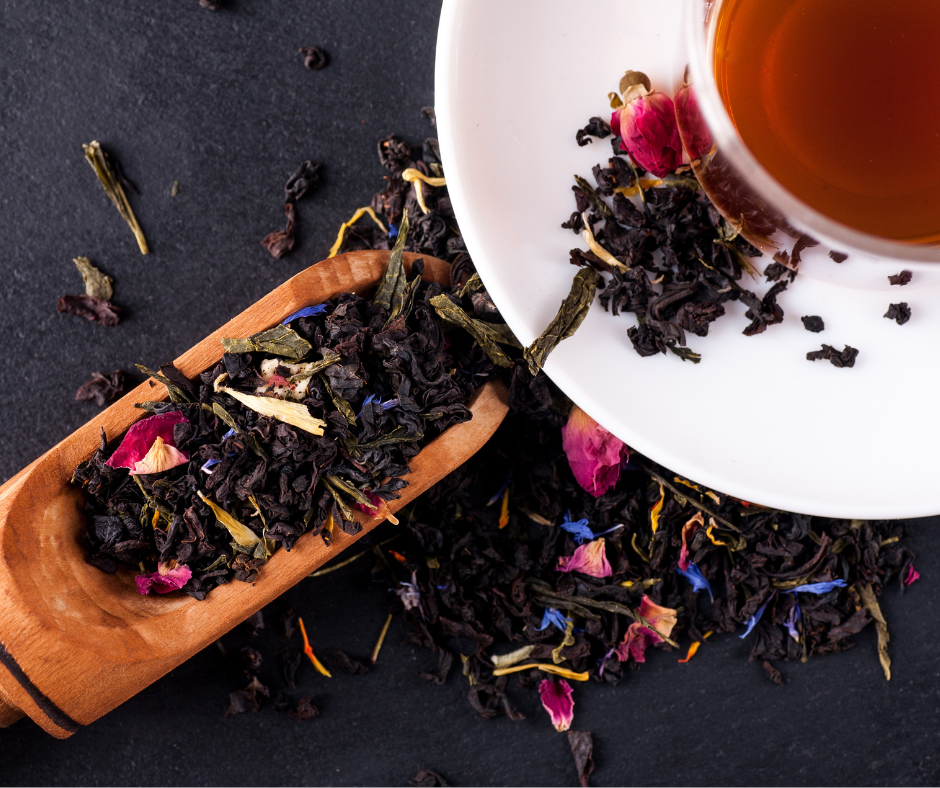
Soothing Herbal Tea for Calm & Clarity
This is a gentle, uplifting blend perfect for quiet moments of reflection. It features Lemon Balm, a plant known for its calming and antiviral properties.
1 part dried Lemon Balm leaves
1 part dried Chamomile flowers
1/2 part dried Rose Petals
Instructions: Combine the dried herbs in a jar. To make a cup of tea, steep 1-2 teaspoons of the blend in a cup of hot water for 5-7 minutes. Strain, breathe deeply, and enjoy.
Calendula-Infused Healing Oil
Calendula is a powerhouse of skin healing, perfect for soothing cuts, scrapes, and dry skin.
Dried Calendula flowers (make sure they are completely dry to prevent mold)
A carrier oil like Olive Oil, Sunflower Oil, or Jojoba Oil
Instructions: Fill a clean, dry glass jar about halfway with dried Calendula flowers. Pour your chosen oil over the flowers until they are completely covered. Stir to remove any air bubbles. Cap the jar and place it in a sunny windowsill for 4-6 weeks, shaking it gently every day. After 4-6 weeks, strain the oil through a cheesecloth or fine-mesh sieve into a clean, dark glass bottle. This infused oil can be used on its own or turned into a healing salve.
🌱 A Final Invitation
As you dig your hands into the soil, as you snip a stem of fragrant mint, as you hang a bundle of lavender to dry—remember that you are participating in a ritual that is ancient and enduring. You are continuing the work of generations who found healing, strength, and freedom in the plants that grew around them.
This is the heart of Rising Rooted. It's a place to grow, gather, and heal with the wisdom of our ancestors.
Ready to deepen your journey? Explore my books, eBooks, and herbal consultations, or join me for a yoga class. Let's rise rooted, together.
With love and roots,
Conya Gilmore
Rising Rooted Yoga & Herbal Apothecary