February Groundwork: Preparing Your Garden Beds & Planting with Intention
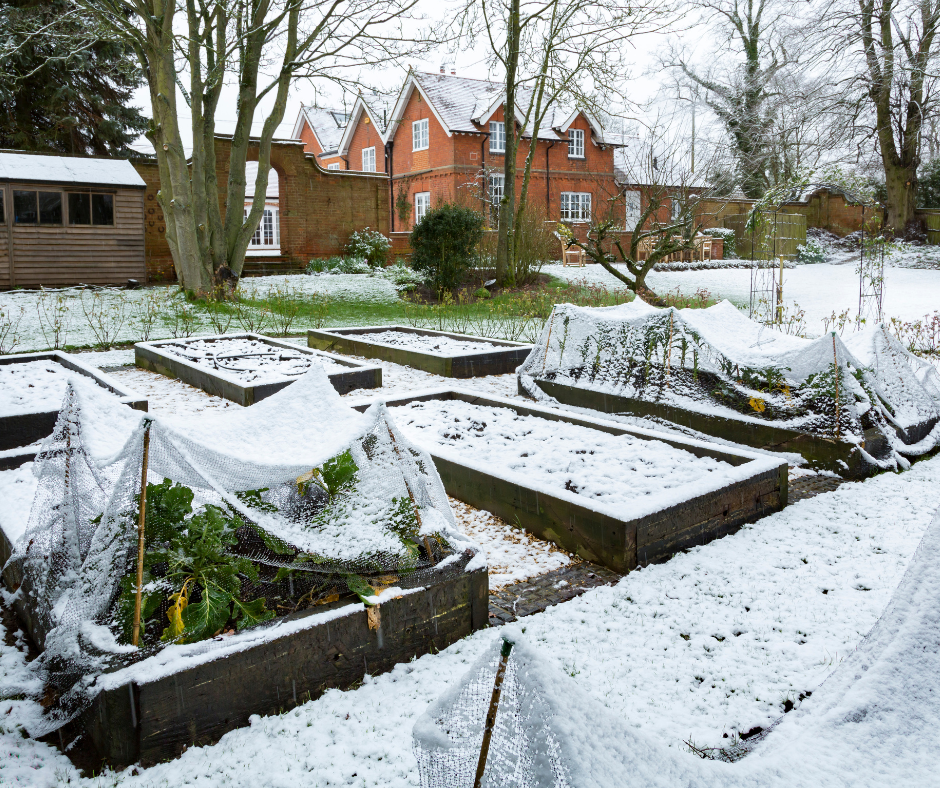
February is a month of quiet anticipation. The garden still wears its winter cloak, but beneath the soil, roots are stirring. It is the season of preparation—not yet the explosion of spring, but the sacred work of turning earth, planning beds, and deciding which seeds will carry your hopes into the growing season.
For me, February is a threshold. I walk my land, noticing where the snow has settled and where the sun lingers longest. I sketch rough maps of where the vitex grove will expand, where the roses will climb, and where the bergamot will spread its wild mint perfume. This is the month of dreaming on paper before dreaming in soil.
🌱 Assessing Your Garden Space
Before you plant a single seed, take stock of what you have.
Sunlight: Observe your garden throughout the day. Most herbs and vegetables need at least 6–8 hours of direct sun. Note which beds are shaded by trees or structures.
Soil: Grab a handful of soil. Squeeze it. If it forms a tight ball that doesn't crumble, it may be too heavy with clay. If it falls apart immediately, it may be too sandy. Ideal soil is dark, crumbly, and smells earthy. Consider sending a sample to your local extension office for a pH test (most herbs prefer slightly acidic to neutral, 6.0–7.0).
Drainage: After a rain, check for puddles that linger for more than a few hours. Herbs like lavender, rosemary, and thyme hate wet feet.
Existing Plants: Note any perennials that are waking early—like my lilies and hyacinths this year. They’ll need space and protection from late frosts.
🛠️ Preparing Your Garden Beds in February
February is ideal for soil amendment and bed preparation, especially in regions where the ground isn't frozen solid.
Step 1: Clear Debris
Remove dead plant material from last season. But leave some standing stems for overwintering pollinators if possible—many native bees nest in hollow stems.
Step 2: Add Organic Matter
Spread a 2–3 inch layer of compost, aged manure, or leaf mold over your beds. Do not till deeply. Turning soil too much can disrupt the delicate fungal networks (mycelium) that help plants exchange nutrients. Instead, gently rake the compost into the top few inches.
Step 3: Cover or Mulch
If you live in an area with late frosts, consider laying down a light mulch of straw or shredded leaves. This suppresses early weeds and moderates soil temperature. For no‑till gardeners, a thick layer of cardboard topped with compost can be laid now to break down by planting time.
Step 4: Build or Repair Structures
Check trellises, fences, and cold frames. February is a good month to hammer in new posts or mend the chicken wire before the vines get tangled.
📋 Deciding What to Plant: A February Checklist
What you plant in February depends entirely on your climate zone. I garden in Virginia (Zone 7b), where February is a dance of warm spells and freezing nights. Here’s how I decide.
Climate ZoneWhat to Start in FebruaryCold Zones (3-5)Start slow‑growing herbs indoors under grow lights: rosemary, lavender, thyme, and sage. Onion seeds and leeks can be started now.Temperate Zones (6-7)Direct sow cold‑tolerant greens like spinach, arugula, and claytonia. Start indoors: broccoli, cabbage, and flowers like rudbeckia.Warm Zones (8-10)Direct sow carrots, beets, peas, and fava beans. Plant starts of cilantro, dill, and chives. Protect from sudden cold snaps with row covers.
For herbalists, February is the time to start seeds for:
Tulsi (Holy Basil) – needs warmth and a long season.
Echinacea – requires cold stratification; you can sow seeds in pots outdoors now.
Lemon balm – easy to start indoors or direct sow after last frost.
Calendula – direct sow in mild climates; it tolerates light frost.
I also use February to order bare‑root plants: fig trees, blackberries, and grapevines arrive this month and can be planted as soon as the ground is workable.
🌸 A Note on Early Blooms and Unpredictable Weather
In recent years, February has become less predictable. Unseasonably warm weeks can trick bulbs into sending up shoots too early. If you see daffodil tips or lily noses poking through, do not panic. A light mulch of straw can protect them from the next freeze. For herbs like rosemary and lavender that are marginally hardy, keep a frost blanket or old sheet nearby.
And if you lose a few early blooms? That is the garden teaching us: abundance is not linear. The figs and vitex will still bloom when they are ready.
📖 Tending the Inner Garden
While we wait for the soil to warm, I turn to my Beauty by the Seasons book and journal. This companion guides me through the reflective work of February—writing down intentions for the garden, sketching bed layouts, and noting which herbs I want to grow for medicine, tea, and dye. The journal has space for phenology notes: when the first robin arrives, when the red maples bud, when the soil temperature hits 50°F.
If you haven't yet picked up a copy, you can find it on the Rising Rooted website. It is my gift to you for cultivating beauty not just in the garden, but in the seasons of your own life.
🌿 A Rooted Prayer for February
May the soil be generous.
May the frosts be gentle.
May the seeds I start now grow strong,
and may I remember that the most important work
is the work of showing up—
month after month,
with open hands and a patient heart.
From my garden to yours. 💚
Have you started your February garden prep? Tell me what you're planting this year in the comments or tag me @risingrooted.