April Abundance: Figs, Vitex, and a Lily Bulb Recipe Rooted in History
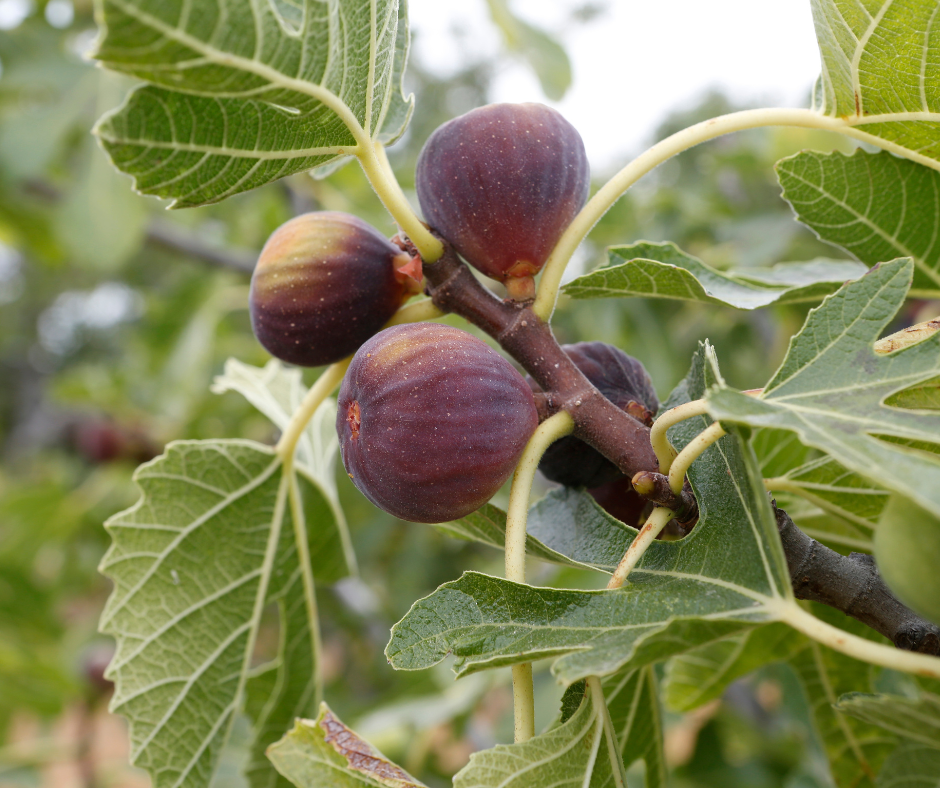
The garden woke early this year. Unseasonably warm weeks coaxed blooms from branches that normally wait until May. My fig trees are heavy with tender new leaves and the first swell of fruit. The vitex grove—usually content to linger—has burst into soft purple plumes, catching morning light like lavender prayers. And the lilies stand tall, their golden-orange petals fully unfurled, bold and brief as a whispered secret.
April has given us abundance. And in this season of early gifts, I want to share something special: a recipe for the lily bulb.
🌳 Figs and Vitex: Early Bloomers
Before we get to the kitchen, let’s pause in the garden. The fig tree—Ficus carica—has long been a symbol of abundance, peace, and nourishment. In traditional systems, its fruit is valued as a gentle laxative and a rich source of minerals like calcium, iron, and potassium. Fig leaf extracts have shown anti-inflammatory and antimicrobial activity, and dried figs are considered nutritious and beneficial for digestion.
The vitex grove (Vitex agnus-castus) is another early riser this spring. Vitex has been used for thousands of years in herbal traditions—from ancient Greece to Turkish folk medicine—as a remedy for menstrual discomfort, digestive complaints, and even as a mild anti-anxiety tonic. Watching it bloom ahead of schedule feels like a blessing: a reminder that sometimes the unexpected warmth is not confusion, but generosity.
🌸 Lilies in Full Bloom: A Culinary History
But the lilies—ah, the lilies. Their petals are radiant, but the true treasure lies beneath the soil. The lily bulb has been used in China as both a food and a medicine for over 2,000 years. It appears in the Yellow Emperor's Classic of Medicine (circa 200 BCE), one of the most seminal ancient Chinese medical texts, where it was valued for its ability to nourish the lungs, calm the spirit, and ease a dry cough.
In traditional Chinese medicine, the lily bulb (Bai He, 百合) is considered sweet and slightly cold, entering the heart and lung meridians. It is used to moisten the lungs, stop coughs, clear the heart, and calm the spirit—particularly for symptoms like insomnia, dream-disturbed sleep, palpitations, and anxiety.
Culinarily, lily bulbs are prized for their starchy texture, mild sweetness, and versatility. They appear in classic Chinese dishes: congee, stir-fries with shrimp and celery, soups with chicken or white fungus, and even sweet desserts with lotus seeds and red dates. Rehydrated dried lily bulbs add a subtle thickening quality to soups and a pleasant, slightly crisp-tender bite to stir-fries.
The Lanzhou lily, grown in Gansu province, is particularly famous for its sweet flavor and pure texture. In Chinese culture, the lily symbolizes a blissful life and a happy family.
🍲 A Simple Lily Bulb Recipe: Stir-Fried Lily with Celery and Goji Berries
This is a classic, gentle dish—light, nourishing, and beautiful on the plate. It honors the lily bulb's traditional role as both food and medicine.
Ingredients:
4–5 fresh lily bulbs (or 40g dried lily bulbs, soaked overnight)
2 celery stalks, sliced thinly on the diagonal
1 small carrot, julienned (optional)
1 tbsp dried goji berries (wolfberries), soaked for 10 minutes
1 tbsp avocado or light vegetable oil
1 tsp oyster sauce (or tamari for a vegetarian version)
1 tsp cornstarch mixed with 2 tbsp water (slurry)
Salt and white pepper, to taste
Instructions:
Prepare the lily bulbs: Gently break the fresh lily bulb into individual scales or petals. Rinse thoroughly. If using dried, soak overnight in cool water, then drain.
Blanch (optional but recommended): Bring a small pot of water to a boil. Drop the lily scales in for 10–15 seconds, then immediately transfer to a colander and rinse with cool water. This removes any slight bitterness.
Heat the wok: Place a wok or large skillet over high heat. Add the oil and swirl to coat.
Stir-fry the vegetables: Add the celery and carrot. Stir-fry for about 30 seconds, until fragrant but still crisp.
Add the lily bulbs and goji berries: Toss in the prepared lily scales and soaked goji berries. Stir-fry for another 1–2 minutes. The lily bulbs should become tender but still hold their shape.
Season: Add the oyster sauce (or tamari), a pinch of white pepper, and a small pinch of salt. Stir to combine.
Thicken (optional): Push ingredients to the sides of the wok, pour the cornstarch slurry into the center, and stir quickly until the sauce thickens slightly. Toss everything together. This step is traditional for many lily bulb stir-fries.
Serve immediately: Garnish with a few fresh goji berries or a sprinkle of toasted sesame seeds.
This dish is lovely served alongside steamed rice or as a light lunch on its own.
⚠️ Precautions When Using Lily Bulbs
Lily bulbs are generally safe and well-tolerated, but there are important precautions to keep in mind.
Precaution Details
Proper Identification Not all lilies are edible. The culinary lily bulb is typically from Lilium lancifolium, Lilium brownii, or other specific edible varieties. Do not harvest wild lilies unless you are absolutely certain of the species.
Toxicity in Some Lilies Some true lilies contain toxins and must be leached or processed before use. The pollen of some species is considered poisonous.
Pregnancy and Nursing Lily bulb preparations may stimulate uterine activity. If pregnant or nursing, consult a practitioner before using.
Digestive Issues Lily bulbs are cooling in nature. Those with spleen or stomach deficiency, persistent diarrhea, or wind-cold syndrome should use with caution or under professional guidance.
Excessive Doses High doses may cause mild gastrointestinal upset, including nausea or diarrhea, due to the presence of alkaloids like colchicine.
Blood Sugar Effects Lily bulbs may modestly lower blood glucose. If you are diabetic or taking blood sugar‑lowering medications, consult your healthcare provider.
Drug Interactions Lily bulbs may prolong the sedative effects of certain medications, including barbiturates, antihistamines, narcotic analgesics, and benzodiazepines.
Dosage Limit Some sources suggest limiting daily intake of dried lily bulb to no more than 30 grams.
🧵 A Rooted Invitation
This season's early abundance is a gift—and a reminder that growth does not always follow the calendar. The fig tree, the vitex, and the lilies are all blooming in their own time, responding to warmth they could not ignore.
May we do the same. May we taste the earth's generosity. And may this simple lily bulb recipe connect you to a culinary tradition that spans two thousand years—a tradition of nourishing the lungs, calming the spirit, and sitting quietly with the ones we love.
From my garden to your table. 🌱
Share your lily bulb creations with us @risingrooted.
And if you're new to cooking with foraged or garden botanicals, always—always—consult a qualified herbalist or healthcare provider before adding new medicinal foods to your routine.