Hibiscus, Sumac, and the Taste of Resilience -- Recipes from Stitching the Sun
There are plants that feed the body. And then there are plants that feed the memory.
Hibiscus and sumac belong to the second category. They are not merely ingredients—they are offerings. They carry the taste of survival, the sharpness of protection, and the sweetness of joy that persists even in bitter soil.
This summer, as the Vitex blooms and the Strawberry Moon rises, I invite you to meet these two ancestral plants. Learn their stories. Taste their medicine. And carry their wisdom into your own kitchen and garden.
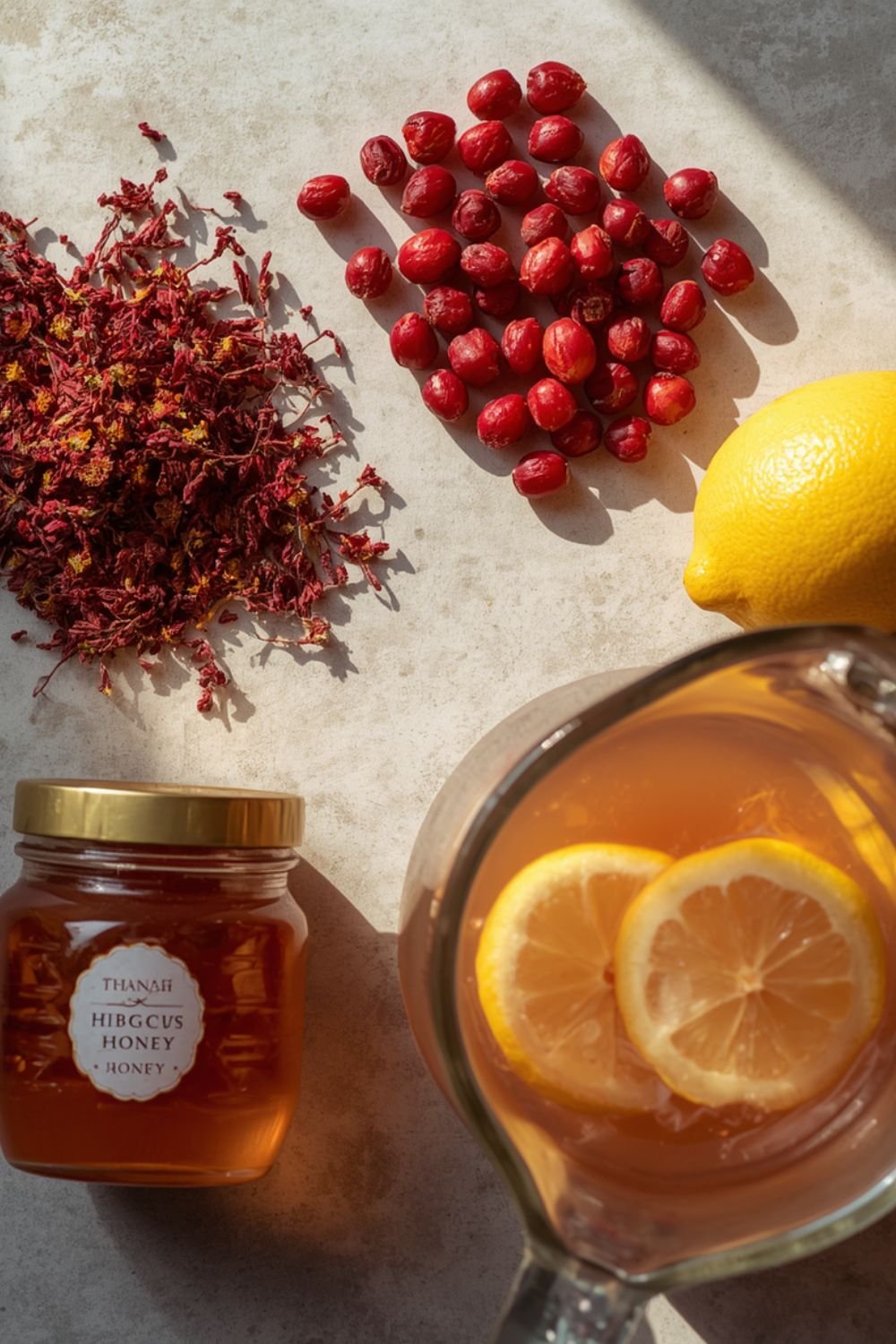
🌺 Hibiscus: The Red Drink of Memory
Hibiscus (Hibiscus sabdariffa) is believed to have originated in West Africa, where it has been cultivated for centuries. Its deep crimson calyces—the fleshy part of the flower—have been brewed into ruby-red drinks across the continent, known by many names: bissap in Senegal, sobolo in Ghana, zobo in Nigeria, sorrel in Jamaica. These red drinks were traditionally used to welcome and entertain guests, and the color red itself carried deep meaning—associated with ancestral reverence in West African traditions.
When the transatlantic slave trade began in the early 1500s, hibiscus traveled alongside the stolen. Enslaved Africans carried the seeds and the knowledge of how to brew them. In the Americas, hibiscus became known simply as "Red Drink" or "red drank"—a beverage that appeared at celebrations, family gatherings, and, most commonly now noted at Juneteenth celebrations in the United States.
Why red? Because red symbolizes the bloodshed of enslaved ancestors, the endurance of cultural foodways, and the determination of Black people to define themselves. Red Drink is "a story of perseverance, of people who refused to die and a culture that refused to die". It was also seen as a healing beverage, used to cool overheated bodies working on plantations under the brutal summer sun.
Hibiscus is more than a flower. It is a living connection to African heritage, a symbol of resilience and resistance, and a reminder of our deep roots.
Health Benefits: Hibiscus is rich in antioxidants and has been shown to support healthy blood pressure, reduce inflammation, and improve cholesterol profiles. Studies suggest that drinking hibiscus tea regularly may lower blood pressure in people with modestly elevated levels. It also acts as a gentle diuretic and may help with blood sugar regulation.
🌿 Sumac: The Tart Protector
Sumac (Rhus spp.) is a genus of approximately 250 species of woody shrubs and small trees that grow across Africa, North America, and other temperate regions. Its deep red berries are dried and ground into a tangy, lemony spice that has been used for millennia in Mediterranean, Middle Eastern, and African cuisines.
Unlike hibiscus, sumac is not native to West Africa—but it has deep roots in North Africa, where it has been used as a spice, a dye, and a medicine. African sumac (Searsia lancea) and other species have been used in traditional African medicine to treat skin diseases, gastrointestinal issues, and respiratory complaints. Indigenous peoples of North America also used native sumac species to prepare drinks and remedies.
Sumac's tart, astringent flavor is a kind of protection—it cuts through richness, balances sweetness, and wakes up the palate. In the world of the Granddaughters of Hathor, sumac is the plant of boundaries. It teaches us that not all who are kind mean you well. It reminds us that sharpness has its place, and that protection can be as simple as a single, sour note.
Health Benefits: Sumac is rich in antioxidants, particularly tannins, flavonoids, and phenolic acids. It has been studied for its anti-inflammatory, anti-diabetic, cardioprotective, and neuroprotective potential. Early research also suggests it may help with blood sugar control and relief of exercise-induced muscle pain.
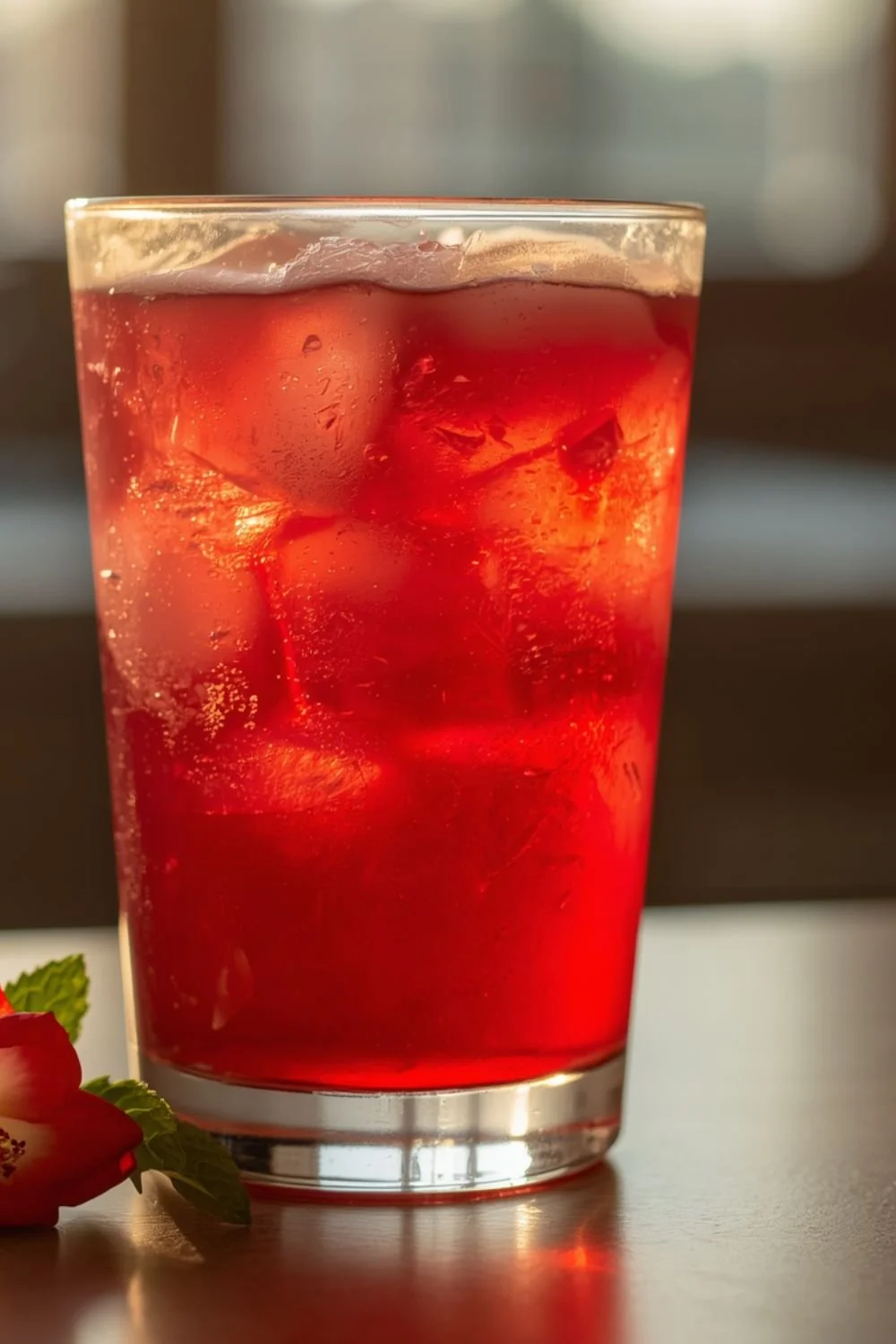
🍋 Hibiscus & Sumac Lemonade – "The Crimson Offering"
This lemonade is not too sweet. The hibiscus brings a deep, cranberry-like tang and a jewel-red color. The sumac adds a lemony, slightly astringent note that cuts through the sugar like a threshold. Together, they create a drink that tastes like joy that has survived something.
Ingredients:
Dried hibiscus flowers (Hibiscus sabdariffa): ½ cup (about 15g)
Dried sumac berries (or ground sumac): 2 tablespoons (Use whole berries if available; ground sumac works too)
Water: 4 cups for steeping
Honey: ½ – ⅔ cup (or to your taste)
Fresh lemon juice: ½ cup (about 4 lemons)
Cold water: 4 cups to dilute after steeping
Lemon slices, fresh mint, or ice (as desired)
Instructions:
Make the concentrate. In a medium saucepan, combine dried hibiscus, sumac, and 4 cups of water. Bring to a low boil, then reduce heat and simmer for 10–15 minutes. The liquid will turn deep crimson. Add sugar and stir until dissolved.
Strain and chill. Pour the concentrate through a fine-mesh strainer into a pitcher. Press on the solids to extract all the liquid. Add fresh lemon juice and 4 cups of cold water. Stir well. Refrigerate until cold or serve immediately over ice.
Serve with intention. Fill glasses with ice. Pour the crimson lemonade. Garnish with a lemon slice or a sprig of mint.
Before drinking, you might say:
"This is for the ones who thirsted. For the ones who offered sweetness when the world gave only bitterness. I drink to remember."
Yield: About 8 cups. Storage: Keeps in the fridge for up to 5 days.
📖 A Thread to Carry Forward
In Stitching the Sun: The Granddaughters of Hathor, hibiscus and sumac belong to Patricia, the neuro-acoustic composer. She offers them to the ancestors before she sings. They are the plants of joy and protection—sweetness that persists in bitter soil, and sharpness that cuts through what would consume you.
"Sweetness for joy. Sharpness for boundaries. Both in the same glass."
— Patricia Okonkwo, Neuro-Acoustic Composer
This lemonade is that offering made drinkable. A reminder that joy is not weak, and protection is not harsh. They live together in the same glass.
The book is now available for pre-order. When you order directly through me, you receive a signed copy and a free digital zine featuring the Granddaughters' Recipe Workshop—flax growing, indigo dyeing, and Mama Lily's dandelion-burdock infusion for releasing lead toxicity.
🌿 A Blessing for the Season
As the Vitex blooms and the Strawberry Moon rises, may you taste the sweetness of all you have grown. May you remember that joy is not a luxury—it is a harvest. May you hold the sharpness that protects you, and the sweetness that sustains you.
The ancestors are still listening. And now, so are you.
With love, light, and rootedness,
Conya
P.S. — Share this lemonade with a friend. The more of us who root, the more abundant the harvest. 🌿