March's Whiplash: Gardening Through Frost and False Spring

March gardening is a lesson in patience and adaptability. The weather can be as unpredictable as the seedlings we tend, with one week bringing warmth and the next a sudden frost that threatens early blooms.
This month, our gardens become classrooms for resilience. We learn to read the sky, to cover tender shoots when temperatures dip, and to trust that even when growth stalls, the roots are still working beneath the soil. In this post, we'll explore how to navigate March's moody weather, protect your plants from unexpected chills, and keep your herbal garden thriving.
Understanding March's Unpredictable Weather
The garden in March is caught between seasons. One week, unseasonable warmth may coax bulbs like hyacinths and lilies into early growth. The next, an abrupt cold snap can pause their development, leaving leaves yellowed or limp. This cycle, known as temperature fluctuation stress, can reduce a plant's ability to photosynthesize and lead to malformed blooms.
The good news is that most spring bulbs are resilient. As long as the flower buds remain below ground, your display will likely survive. A layer of straw or mulch can protect exposed foliage and keep the soil cool, discouraging further early sprouting. For herbs and tender greens, the key is preparation.
Protecting Herbs During Sudden Temperature Drops
When frost threatens, quick action can make all the difference. Floating row covers, also known as garden fleece, are an excellent tool. These breathable fabrics allow light, air, and water to reach plants while creating a warmer microclimate—often about 4°F (2-3°C) warmer than the outside air. They can be laid directly over seedlings or supported by hoops to form a tunnel.
For individual plants, cloches—bell-shaped covers made of glass or clear plastic—work well. Watering the soil before a freeze can also help, as moist ground retains heat better than dry soil. And remember, always use cloth or fabric covers; plastic that touches leaves can cause them to freeze and die.
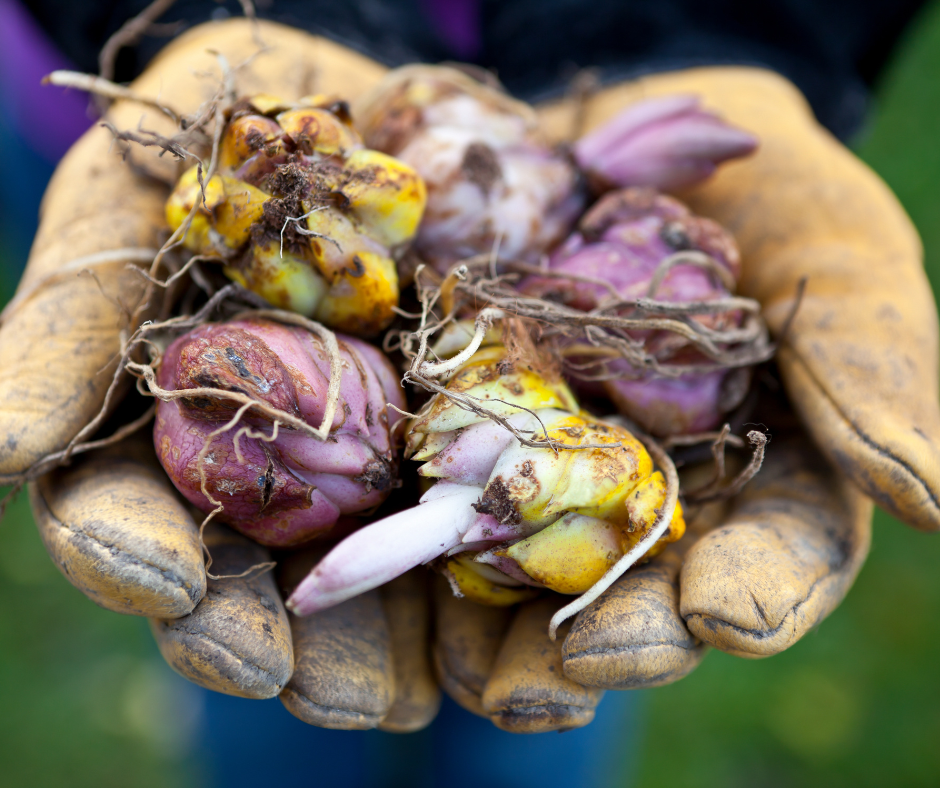
Why Bulbs and Early Blooms May Struggle
The sudden temperature swings of March can confuse our gardens. Unseasonably warm weeks signal plants to break dormancy, only for a late freeze to damage tender new growth. For herbaceous perennials, this means leaves may wither or become discolored.
There are steps you can take to minimize damage. Mulching around bulbs helps insulate the soil, preventing rapid temperature changes. Keeping a frost blanket or old sheet nearby allows you to quickly cover vulnerable plants when a freeze is forecast. Pruning should be delayed until all danger of frost has passed, as new cuts can expose plants to further harm.
The Beauty by the Seasons Approach
This seasonal ebb and flow is at the heart of Beauty by the Seasons, our book and guided journal available on the Rising Rooted website. It offers a holistic approach to gardening, one that respects the cycles of nature and the wisdom of our ancestors. Through its pages, you'll find practical guidance for growing, gathering, and crafting with herbs, alongside reflective prompts that help you attune to the natural rhythms of your own life.
The accompanying journal provides space to document your garden's journey—the early blooms, the unexpected frosts, and the slow, steady growth that comes with patient attention. Together, they serve as both a practical guide and a personal companion for your herbal practice.
March gardening is an act of faith. It asks us to prepare for cold while hoping for warmth, to protect what is tender while trusting in resilience. With the right tools and a little patience, your herbal garden can thrive through the moody month and into the abundance of spring.
Visit Rising Rooted to order your copy of Beauty by the Seasons and its companion journal.